

Introduction:
A lush, green lawn is the cornerstone of any beautiful landscape, whether it’s a residential yard, commercial property, or sports field. Achieving and maintaining healthy turf requires more than just regular mowing—it requires proper care, including optimal fertilization. The right fertilizer can enhance grass growth, improve color, and increase turf durability, making it resistant to environmental stress and pests. In this article, we will explore the best fertilizers for boosting lawn and turf health, discussing the ideal nutrient balance for grass and how it contributes to the overall appearance and resilience of your lawn.
1. Understanding Lawn Nutrient Needs:
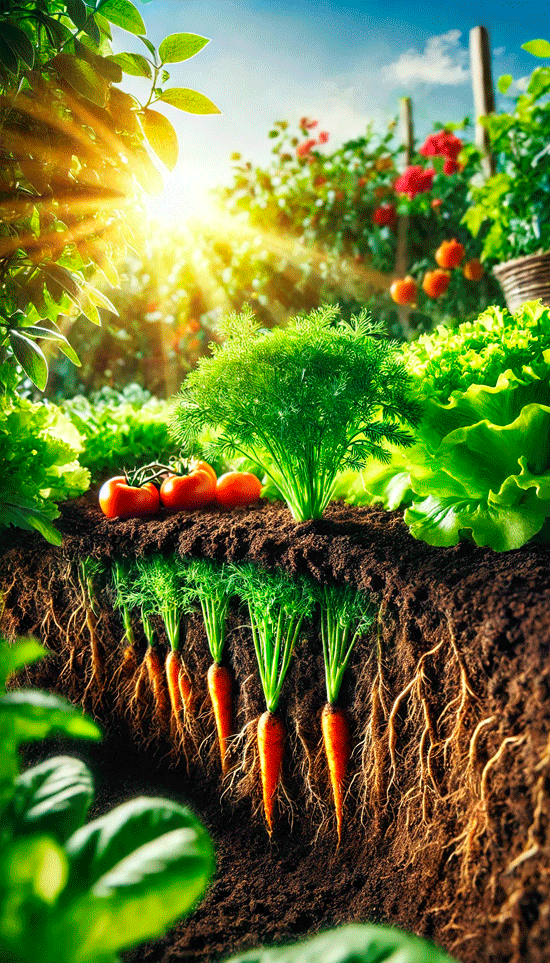
To effectively boost lawn and turf health, it’s essential to understand the primary nutrients grass needs for healthy growth: nitrogen (N), phosphorus (P), and potassium (K). These nutrients play specific roles in plant development and impact everything from root growth to disease resistance.
Nitrogen (N): Nitrogen is the key nutrient for promoting healthy, green foliage and vigorous growth. It supports the plant’s ability to produce chlorophyll, which is essential for photosynthesis. Without adequate nitrogen, grass may turn yellow and become weak, making it more susceptible to stress, pests, and diseases.
Phosphorus (P): Phosphorus plays a critical role in root development, flower formation, and overall plant energy transfer. While lawns don’t typically need as much phosphorus as other crops, it’s essential for establishing strong roots, particularly during the planting or overseeding process.
Potassium (K): Potassium strengthens the grass plant’s cell walls, improving its resistance to drought, disease, and physical stress. It also helps regulate the plant’s water use and contributes to overall plant health, ensuring that the grass maintains its vigor through changing weather conditions.
Understanding the ideal balance of these three macronutrients is key to promoting a healthy lawn. Different stages of grass growth—such as spring green-up, mid-summer maintenance, and fall recovery—may require different nutrient ratios.
2. Choosing the Right Fertilizer for Lawn and Turf:
Choosing the right fertilizer is crucial for the health of your lawn and turf. The nutrient needs of grass can vary depending on the type of grass, the time of year, and the condition of the soil. Below are some of the best fertilizers for boosting lawn and turf health, along with their specific benefits:
Balanced fertilizers provide equal proportions of nitrogen, phosphorus, and potassium, making them an excellent option for general lawn care. These fertilizers are suitable for maintaining lawns that are already established or during the early stages of planting.
High-nitrogen fertilizers are excellent for promoting lush, green growth and are typically used in the spring or early summer, when the grass is actively growing. Nitrogen supports rapid foliar growth, making it the best choice for boosting color and density.
Slow-release fertilizers release nutrients gradually over an extended period, typically 8-12 weeks, providing a steady supply of essential nutrients to the grass. This makes them highly effective for maintaining consistent growth and preventing nutrient leaching, which is common with quick-release fertilizers.

3. Fertilizer Application Timing and Techniques:
Applying fertilizer at the right time and using the proper application technique is critical to achieving optimal lawn health. The timing of fertilizer applications depends on the type of grass, climate conditions, and seasonal needs.
Spring Application: Early spring is the best time to apply fertilizers, as it promotes green-up and stimulates early growth. High-nitrogen fertilizers or balanced fertilizers can be used to support healthy foliage growth.
Summer Application: During the peak of summer, use fertilizers with a higher potassium content to enhance drought tolerance and disease resistance. Slow-release fertilizers are ideal for summer applications, as they provide consistent nutrients without overwhelming the grass.
Fall Application: Fall is an important time for lawn care, as it prepares the turf for the winter. Fertilizers high in potassium help strengthen roots and improve the lawn’s ability to survive the cold months. A balanced fertilizer with a higher phosphorus ratio can also be used to promote root development.
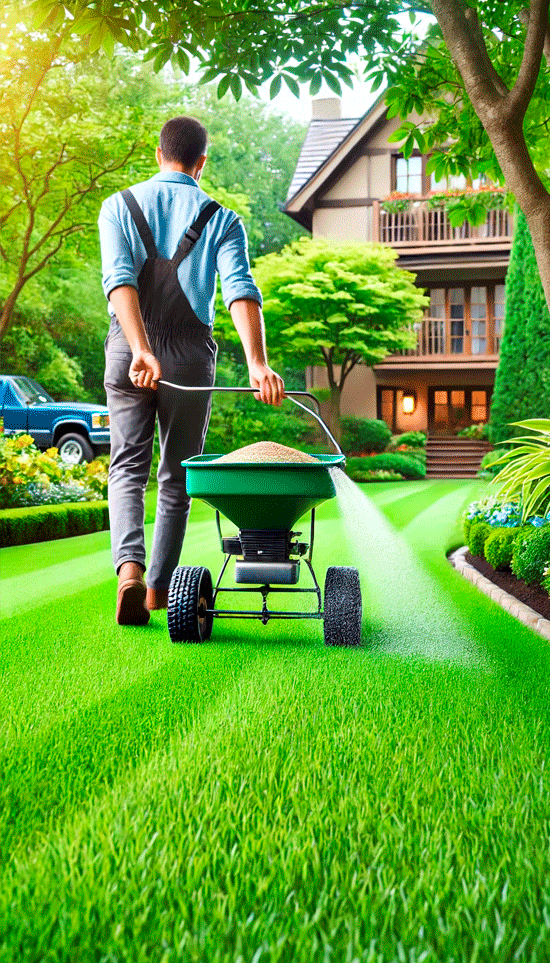
Application Method: Use a broadcast spreader for large lawns to evenly distribute granular fertilizers. For liquid fertilizers or foliar feeding, use a sprayer to apply nutrients directly to the grass blades. Be sure to follow the manufacturer’s instructions to avoid over-application, which can lead to nutrient burn and environmental pollution.
4. Special Considerations for Turfgrass:
Turfgrass requires careful management to maintain its appearance and durability, especially in high-traffic areas such as sports fields, golf courses, or public parks. Specialized fertilizers designed for turfgrass offer additional benefits to help keep the grass healthy and resilient.
Fertilizer for High-Traffic Areas: Turfgrass in high-traffic areas is more prone to wear and compaction. Specialized fertilizers can be used to enhance root development and recovery after heavy foot traffic or mowing. These fertilizers typically contain higher levels of phosphorus to promote robust root systems and better nutrient uptake.
Incorporating Soil Amendments: Soil amendments, such as lime or sulfur, may be needed to adjust soil pH and ensure that nutrients are available to plants. Turfgrass typically thrives in a slightly acidic to neutral pH range (6.0-7.0), so regular soil testing and pH adjustment should be part of a comprehensive lawn care program.
Conclusion:
Achieving and maintaining a lush, green lawn and healthy turf requires more than just routine watering and mowing.
The right fertilizer plays a crucial role in ensuring that grass receives the nutrients it needs to grow thick, strong, and resilient.
By selecting the appropriate fertilizers based on nutrient needs and applying them at the right times, landscapers and garden enthusiasts can promote vibrant lawns that withstand environmental stress and maintain their aesthetic appeal.
Whether you are caring for a small garden or a large sports field, the right fertilizer choice, paired with proper application methods, will keep your turf healthy and thriving year-round.


Let's take the first step
Start Your Partnership with Us Today
Begin your collaboration with us with minimal order quantities, perfect for analyzing our products and assessing their benefits for your crops. Starting to work with us is simple—just click the button and visit our page to learn more. Let’s take the first step toward improving your agricultural practices together!