
Introduction:
Greenhouses offer a controlled environment that allows for year-round plant production, but this controlled environment also poses unique challenges. One of the most critical factors in ensuring healthy plant growth in greenhouses is maintaining optimal soil health. Soil in greenhouse environments can quickly become depleted of nutrients due to the confined space, frequent watering, and intense plant growth. Fertilization plays a key role in replenishing essential nutrients and sustaining healthy soil, but it must be done strategically to promote plant health and minimize environmental impact. This article will explore the best fertilizer strategies for greenhouse environments, focusing on nutrient cycling, optimal fertilization schedules, and sustainable practices that boost plant growth while preserving soil health.

1. Understanding the Challenges of Soil Health in Greenhouses:
Soil health in greenhouses is affected by several factors that are different from traditional field farming. These factors include the high intensity of plant growth, the limited space for soil to regenerate naturally, and the frequent use of irrigation.
Nutrient Depletion: In greenhouses, plants are often grown in confined spaces where the soil’s ability to regenerate and replace lost nutrients is limited. Over time, essential nutrients are absorbed by the plants, and without replenishment, soil fertility can decline.
Water and Nutrient Leaching: Greenhouse environments typically involve frequent watering to maintain proper humidity levels. However, excess water can lead to nutrient leaching, where valuable nutrients are washed away from the root zone before plants have a chance to absorb them.
Soil Compaction: Greenhouse soils can become compacted due to the repeated use of certain materials and heavy irrigation, limiting root expansion and water infiltration.
The key to solving these challenges lies in proper fertilization and soil management.
2. Fertilizer Strategies for Enhancing Soil Health:
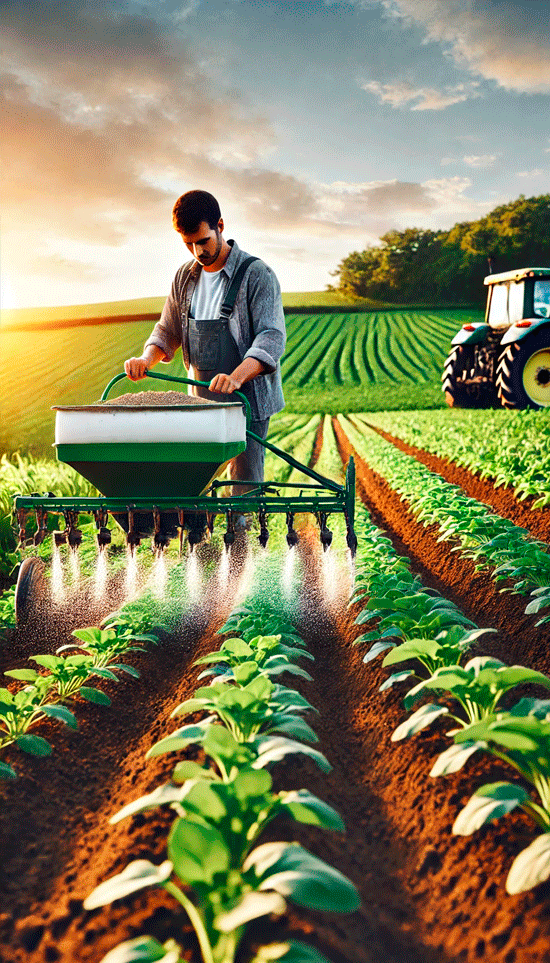
Effective fertilization in greenhouses involves replenishing the nutrients that plants need while avoiding over-fertilization and nutrient runoff. Below are the key strategies for using fertilizers to enhance soil health in greenhouse environments:
Nutrient cycling refers to the natural process through which nutrients are recycled and made available to plants. In greenhouse systems, maintaining a balanced nutrient cycle is crucial for promoting soil health and minimizing nutrient waste.
Organic Matter Addition: Incorporating organic matter such as compost, well-rotted manure, and organic mulch into greenhouse soil helps improve soil structure, increase microbial activity, and retain moisture. Organic matter not only provides essential nutrients but also promotes beneficial soil organisms that aid in nutrient cycling, ultimately supporting healthier plants and better soil structure.
Cover Cropping and Green Manure: Using cover crops and green manure in between growing cycles can help maintain nutrient balance in greenhouse soil. Cover crops such as clover, vetch, or legumes can fix nitrogen in the soil, reducing the need for synthetic nitrogen fertilizers. These plants also improve soil texture and reduce the risk of soil erosion, contributing to long-term soil health.
Composting: Regularly adding compost to greenhouse soil replenishes essential nutrients like nitrogen, phosphorus, and potassium. The organic material in compost also adds structure to the soil, enhancing its ability to retain moisture and nutrie
3. Fertilizer Recommendations for Different Greenhouse Crops:
Each type of greenhouse crop has its own nutrient requirements. Tailoring fertilizer applications to the specific needs of your crops can improve plant health and ensure optimal growth.
Leafy Greens (e.g., lettuce, spinach, kale): Leafy greens require higher amounts of nitrogen to support rapid vegetative growth. Use balanced fertilizers with a higher nitrogen ratio (such as 20-10-10) and supplement with potassium to improve disease resistance.
Fruiting Crops (e.g., tomatoes, peppers, cucumbers): Fruiting crops benefit from fertilizers with higher phosphorus and potassium levels to support root development and fruiting. A fertilizer with an N-P-K ratio of 10-20-10 or 15-30-15 is ideal during the flowering and fruiting stages.
Herbs (e.g., basil, mint, parsley): Herbs generally require less fertilizer than vegetables, but they still need balanced nutrients for healthy growth. Use a low-nitrogen, balanced fertilizer like 10-10-10 or organic options like fish emulsion to support healthy herb growth without overwhelming the plants with too much nitrogen.
4. Monitoring Soil Health and Nutrient Levels:
Regular soil testing is essential for understanding nutrient levels and pH balance in greenhouse soils. Soil tests help determine what fertilizers are needed and prevent over-application of nutrients. It’s recommended to test the soil every season or whenever significant changes in crops or growth patterns are noticed.
Conclusion:
Fertilization is a critical component of successful greenhouse farming.
By using the right fertilizers and application techniques, growers can enhance soil health, promote plant growth, and minimize environmental impact. Implementing strategies such as nutrient cycling, precision fertilization, and using organic or slow-release fertilizers can improve sustainability and productivity in greenhouse environments. Ultimately, proper fertilization supports healthier plants, improves soil structure, and ensures long-term success in greenhouse farming.
By adopting these practices, growers can achieve high yields while preserving the integrity of their soil and minimizing their environmental footprint.


Let's take the first step
Start Your Partnership with Us Today
Begin your collaboration with us with minimal order quantities, perfect for analyzing our products and assessing their benefits for your crops. Starting to work with us is simple—just click the button and visit our page to learn more. Let’s take the first step toward improving your agricultural practices together!