
Introduction:
Choosing the right fertilizer is essential for maximizing crop yield and maintaining soil health. Different crops have unique nutritional needs, and selecting the appropriate fertilizer ensures that your plants receive the necessary nutrients to thrive. In this guide, we’ll walk you through the key factors to consider when choosing fertilizers for different crop types, from soil composition to climate conditions. With these tips, you can make the most of every planting season, optimizing both productivity and sustainability.

1. Understand Your Soil Composition:
The foundation of successful crop cultivation begins with understanding your soil. Soil composition directly affects the effectiveness of fertilizers, as certain soil types retain nutrients differently.
- Loamy soils are ideal for most crops and tend to hold nutrients well, so a balanced fertilizer with a mix of macronutrients (nitrogen, phosphorus, and potassium) will be effective.
- Clay soils can retain nutrients, but they may need fertilizers that provide more gradual nutrient release to avoid leaching.
- Sandy soils drain quickly and may require fertilizers that release nutrients over a longer period, to compensate for the faster nutrient runoff.
Soil testing is critical for understanding your soil’s pH, texture, and nutrient levels, so you can select the right fertilizer to meet your crops’ specific needs.
2. Tailor Fertilizer to Crop Type:
Different crops require different nutrient ratios depending on their growth stage and the type of crop. Here’s how to match fertilizers with various crops:
- Vegetables: Vegetables like tomatoes, peppers, and cucumbers require higher levels of nitrogen during the growing season to support leaf and stem growth, followed by increased phosphorus and potassium during fruiting for better yield and quality.
- Fruits: Fruit crops, including apples, oranges, and berries, benefit from fertilizers that have higher potassium content to encourage flower development and fruit ripening. These plants also require balanced phosphorus for root growth.
- Grains and cereals: Crops like wheat, barley, and rice need balanced fertilizers with higher nitrogen content during the early growth stages, supporting lush growth and strong stems. Phosphorus and potassium will help in the grain-filling stages for a bountiful harvest.
Choosing a fertilizer designed for your crop type ensures that you provide the right nutrients at each growth stage, maximizing yield and plant health.


3. Consider the Climate and Growing Conditions:
The local climate plays a significant role in fertilizer selection, as temperature, rainfall, and seasonal variations can affect nutrient availability. Fertilizers must be suited to the region’s growing conditions.
- In hot climates, slow-release fertilizers may be more effective, as they release nutrients gradually, preventing leaching from frequent rains or irrigation. High temperatures can also cause quicker nutrient depletion, so using a balanced fertilizer will help sustain crop health through the season.
- In cooler climates, where growing seasons are shorter, quicker-release fertilizers might be better, as crops need to absorb nutrients more rapidly for fast growth. These fertilizers also help to warm up the soil, promoting early planting and germination.
- For regions with high rainfall, fertilizers should be applied in a way that minimizes nutrient runoff. Using fertilizers with a slow-release formula or those that enhance nutrient absorption can prevent excess nutrients from washing away, making them more efficient for crops.
4. Fertilizer Application Timing and Methods:
The timing of fertilizer application also influences its effectiveness. Most crops benefit from a split application, where fertilizers are applied at various growth stages:
- Pre-planting: Apply fertilizer before planting to ensure that crops start off with a strong nutrient base. This is especially important for crops that are nutrient-hungry, like corn and tomatoes.
- During planting or early growth: Some crops require additional nitrogen at the beginning of the growing season for rapid growth. Fertilizers applied during this stage ensure that plants are well-established.
- Fruiting and flowering stages: For crops like fruit trees and flowers, applying a fertilizer higher in potassium and phosphorus during the flowering and fruiting stages promotes better yield and quality.
- Post-harvest: Some plants may benefit from a light dose of fertilizer after harvest to replenish soil nutrients for the next growing cycle.
It’s crucial to follow specific guidelines for each crop type and adjust the application method based on the fertilizer’s formula. Liquid fertilizers may be applied through irrigation systems, while granular fertilizers can be spread on the soil surface and incorporated into the ground.

5. Opt for Eco-Friendly, Sustainable Fertilizers:
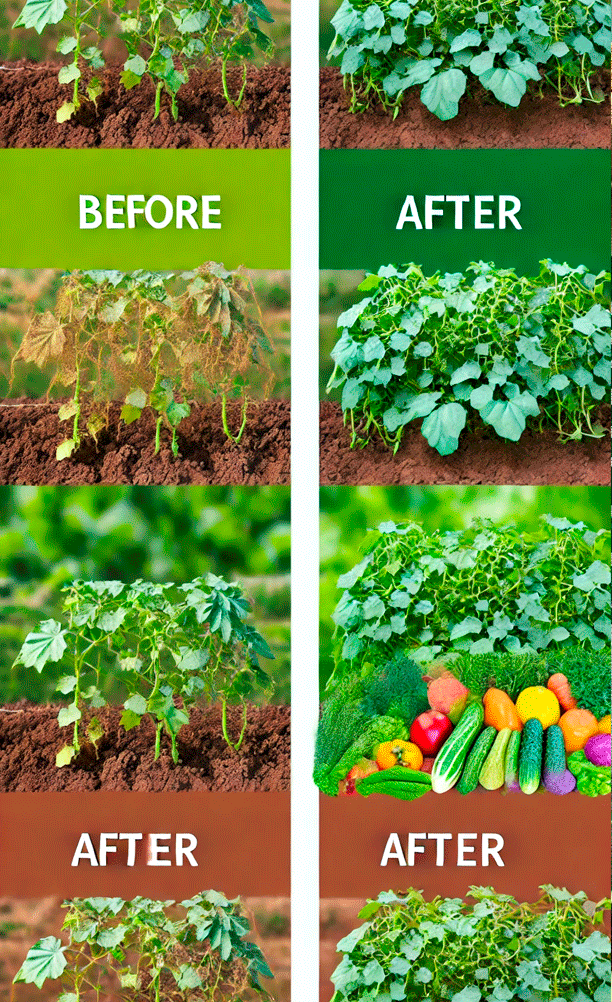
With increasing attention on sustainability, it’s important to choose fertilizers that not only support plant health but also promote environmental sustainability. Eco-friendly fertilizers, such as those made with mineral-based ingredients like GumiZel, contain natural elements like zeolite, which enhance nutrient retention and soil structure. These fertilizers improve water retention and minimize nutrient runoff, contributing to healthier soils and reducing the environmental impact of farming.
Eco-friendly options also reduce the risk of chemical buildup in the soil, ensuring that your crops grow in a safe, sustainable environment while supporting the long-term health of the ecosystem.
Conclusion:
Selecting the right fertilizer is a vital part of achieving optimal crop productivity and maintaining soil health. By understanding your soil composition, tailoring fertilizer choices to your crop types, considering climate conditions, applying fertilizers at the right time, and choosing sustainable solutions, you can maximize the potential of each planting season. With the right fertilizer, you not only boost crop yield but also promote a more sustainable, efficient farming practice for the future.


Let's take the first step
Start Your Partnership with Us Today
Begin your collaboration with us with minimal order quantities, perfect for analyzing our products and assessing their benefits for your crops. Starting to work with us is simple—just click the button and visit our page to learn more. Let’s take the first step toward improving your agricultural practices together!