

Introduction:
Fertilizer is a vital tool for maximizing crop growth and ensuring the health of plants, but its misuse can lead to significant waste and environmental harm. Over-fertilization and inefficient application practices not only waste valuable resources but also contribute to soil degradation, water pollution, and increased production costs. Reducing fertilizer waste while optimizing its effectiveness is key to ensuring sustainable farming practices. In this article, we’ll explore strategies for reducing fertilizer waste, improving application efficiency, and increasing overall crop productivity. We’ll discuss how to calculate the right fertilizer doses, apply them at the right time, and minimize excess runoff—all essential components for efficient fertilization.
1. Calculating the Correct Fertilizer Dose:
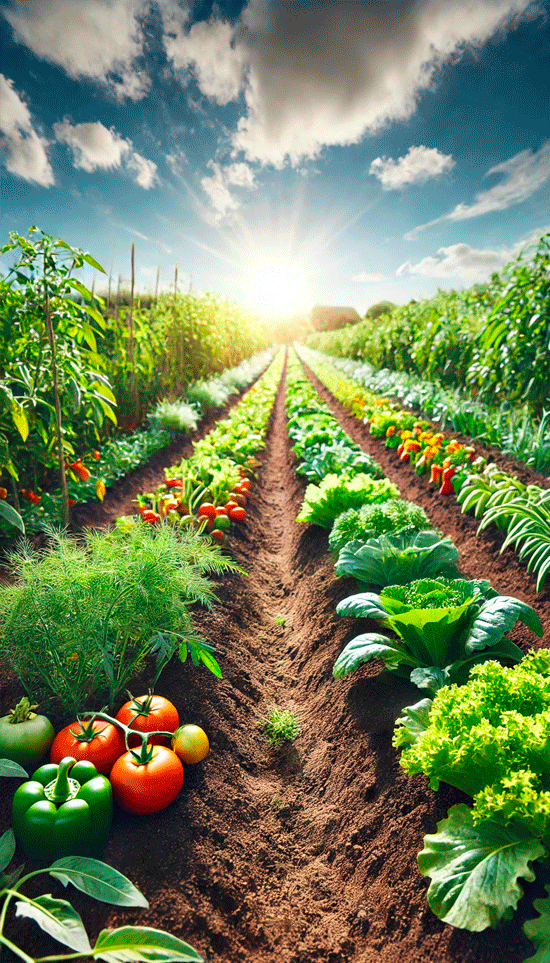
One of the most common causes of fertilizer waste is applying too much fertilizer, which can lead to nutrient runoff, leaching, and soil imbalances. To avoid over-application, it’s important to calculate the correct fertilizer dose for each crop type based on its nutrient needs and the soil’s current nutrient status.
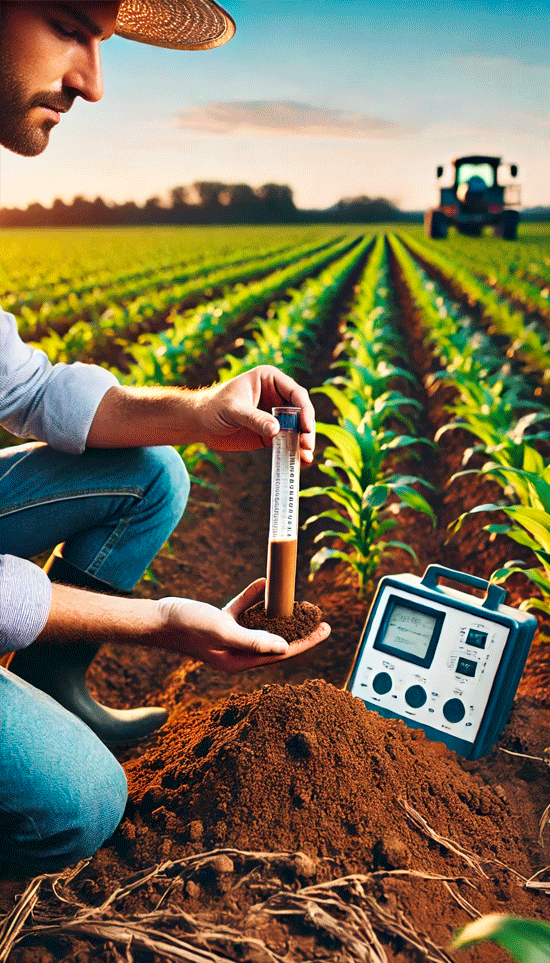
Soil Testing: Before applying fertilizer, it’s crucial to conduct a soil test. Soil tests provide valuable information about the existing nutrient levels and pH of the soil, helping to identify nutrient deficiencies and imbalances. With this information, you can calculate how much fertilizer is needed to restore the soil’s nutrient levels to optimal ranges.
Nutrient Requirements of Crops: Different crops have different nutrient requirements based on their growth stages. Vegetative crops like leafy greens require more nitrogen, while fruiting crops such as tomatoes or cucumbers need more potassium and phosphorus. Understanding the specific needs of your crops helps in applying the right amount of each nutrient.
Use Fertilizer Recommendations: Fertilizer manufacturers often provide guidelines on how much fertilizer to apply based on the type of crop and the size of the field. These recommendations take into account factors such as soil type, climate, and crop type, providing a good starting point for efficient fertilizer application.
2. Applying Fertilizers at the Right Time:
Applying fertilizers at the wrong time can lead to inefficient nutrient uptake by plants and increase the risk of nutrient losses through runoff or volatilization. Timing fertilizer applications based on plant growth stages and environmental conditions can significantly reduce fertilizer waste and improve crop productivity.
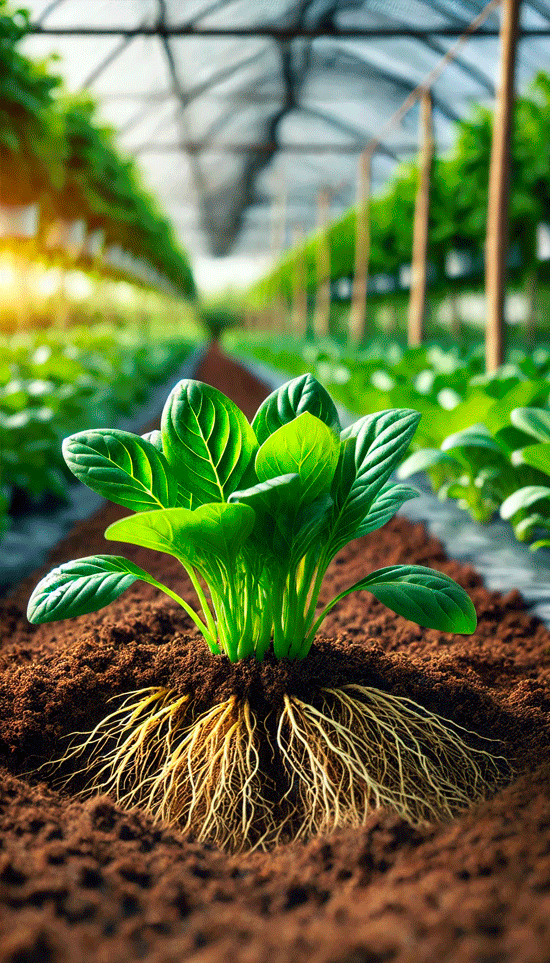
Pre-Planting: Applying fertilizers before planting (also called basal fertilization) helps provide nutrients to support early root development and establishment. This is especially important for crops that require high levels of phosphorus to develop strong root systems.
Side Dressing: For crops that have a high nitrogen demand during the growing season, such as corn, side dressing involves applying fertilizer directly to the soil along the plant rows after the plants have emerged. This technique ensures that plants receive the nutrients they need during key growth phases, such as flowering and fruiting.
Topdressing: For established plants, topdressing involves applying fertilizer to the soil surface, usually in a band along the crop row. This method provides a quick nutrient boost to support the plants during active growth stages. It’s especially effective for lawns and flowering plants.
Fertigation: For crops grown under irrigation, fertigation allows for precise application of fertilizers directly through the irrigation system. This ensures that nutrients are delivered directly to the root zone and allows for more frequent, smaller doses of fertilizer, which can improve nutrient uptake and reduce waste.
Avoid Application During Rainy Periods: Applying fertilizer just before heavy rainfall or irrigation can cause nutrients to wash away before the plants can absorb them. Ideally, fertilizers should be applied during dry periods or when rainfall is minimal to reduce the risk of nutrient loss.
3. Choosing the Right Fertilizer Application Method:
The method of application plays a crucial role in minimizing fertilizer waste and improving nutrient uptake by plants. Different application methods are suited to different farming systems and crop types. Using the correct method ensures that fertilizer is applied efficiently, reducing both waste and environmental impact.
Broadcasting: Broadcasting involves applying fertilizer evenly across a large area, usually using a spreader. While this method is fast and effective for covering large fields, it may not always be the most efficient, as some of the nutrients can be lost to runoff, especially on sloped land or during heavy rain. Broadcasting is often best for crops with less precise fertilizer requirements.
Banding: Banding places fertilizer in narrow rows near the plant roots. This method improves nutrient availability and reduces the risk of nutrient loss, as the fertilizer is applied closer to where plants can absorb it. Banding is especially useful for crops that require concentrated doses of nutrients, such as vegetables and row crops.
Drip Fertilization: Drip fertigation involves applying liquid fertilizer directly to the root zone through a network of drip lines. This method is highly efficient, as it delivers nutrients directly to the plant roots and allows for precise control over the amount of fertilizer used. Drip fertigation also helps conserve water and reduces the risk of nutrient leaching.
Foliar Feeding: Foliar feeding involves spraying a liquid fertilizer solution directly onto the leaves of plants. This method is especially useful for delivering micronutrients, as they are absorbed quickly through the leaves. Foliar feeding can be used as a supplement to soil fertilization, but it should not be relied upon as the sole method for providing nutrients.
4. Minimizing Fertilizer Loss and Runoff:
Excess fertilizer can have serious environmental consequences, including water pollution from nutrient runoff and soil degradation from nutrient imbalances. Minimizing fertilizer loss is essential for protecting the environment and ensuring that nutrients reach the plants where they are needed most.
Use Slow-Release Fertilizers: Slow-release fertilizers release nutrients gradually over time, which reduces the risk of nutrient leaching or runoff. By providing a steady supply of nutrients, these fertilizers also help improve soil fertility over the long term and reduce the need for frequent applications.
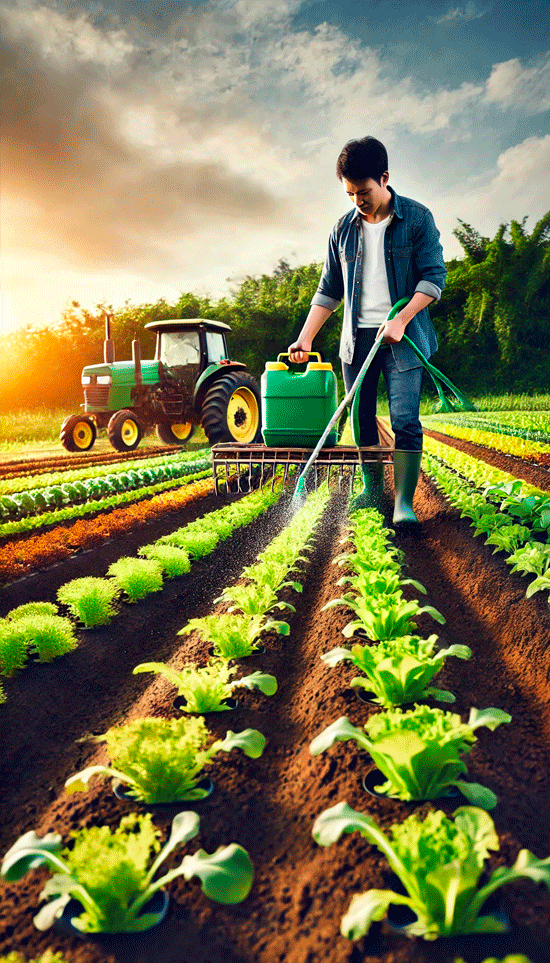
Incorporate Fertilizers into the Soil: For granular fertilizers, incorporating them into the soil with a rake or tiller after application helps reduce the risk of nutrient loss due to wind or water runoff. This practice ensures that the nutrients remain close to the plant roots, where they can be absorbed.
Establish Buffer Zones: Planting buffer zones or cover crops around the edges of fields can help reduce nutrient runoff. These plants act as natural filters, trapping excess fertilizer before it reaches water bodies. Additionally, cover crops help improve soil structure and reduce erosion, further supporting sustainable farming practices.
Avoid Over-Application: Regularly monitor soil nutrient levels and adjust fertilizer applications accordingly. Over-application not only wastes fertilizer but also increases the risk of nutrient pollution. By applying fertilizers according to the plant’s needs and following expert recommendations, you can ensure that your crops get the nutrients they need without excess.

5. Utilizing Precision Agriculture to Improve Fertilizer Efficiency:
Precision agriculture uses technology, such as GPS, drones, sensors, and software, to optimize fertilizer application and improve efficiency. By collecting real-time data on soil conditions, crop health, and nutrient levels, precision agriculture enables farmers to apply fertilizers only where they are needed, minimizing waste and reducing costs.
Variable Rate Fertilization (VRA): Variable rate fertilization allows farmers to apply different amounts of fertilizer in different parts of a field, based on real-time data. This ensures that nutrient application is tailored to the specific needs of each area, reducing waste and improving crop yields.
Drones and Remote Sensing: Drones equipped with sensors can monitor crop health and detect areas with nutrient deficiencies. This data can be used to apply fertilizers precisely in areas that need them, avoiding over-application in healthy zones and ensuring that fertilizers are used efficiently.
Conclusion:
Reducing fertilizer waste and improving application efficiency are essential for maximizing crop yield, protecting the environment, and maintaining farm profitability.
By calculating the correct fertilizer dose, applying fertilizers at the right time, and using the appropriate application methods, farmers can ensure that nutrients are used effectively, reducing excess runoff and minimizing environmental impact.
Incorporating technologies such as precision agriculture and using slow-release fertilizers can further optimize fertilizer use, increase efficiency, and promote sustainable farming practices.
By adopting these strategies, farmers can achieve healthier crops, improve soil health, and contribute to the long-term sustainability of their operations.


Let's take the first step
Start Your Partnership with Us Today
Begin your collaboration with us with minimal order quantities, perfect for analyzing our products and assessing their benefits for your crops. Starting to work with us is simple—just click the button and visit our page to learn more. Let’s take the first step toward improving your agricultural practices together!